
Start cutting back on plastic
June 2026
Since plastic was introduced in the 1950s we've produced over eight billion tonnes - and only 9% has been recycled. With four simple habits you can reduce your plastic use and your climate footprint starting today.
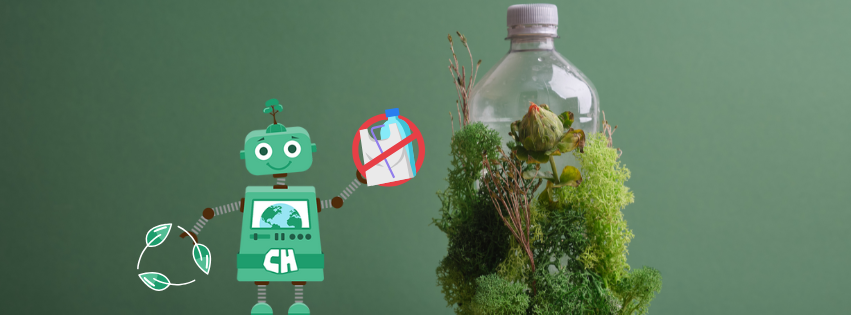
Since plastic was introduced in the 1950s, over eight billion tonnes have been produced. Only 9% of that plastic has been recycled; the rest has been incinerated, ended up in landfills or leaked into nature. At the current rate, there will be more plastic than fish in the sea by 2050.
In Sweden we've come a long way with sorting our waste, yet the majority of the collected plastic still goes to incineration, where it acts as a fossil fuel that releases large amounts of carbon dioxide. By using less plastic or choosing alternatives, you can help reduce your climate footprint and protect the environment.
Here are 4 smart tips for cutting your plastic use starting today.
1. Use fewer plastic bags
Carrying a cloth bag with you (in your laptop bag, handbag, pram and so on) is a super-simple way to cut your use of plastic bags. But for it to make a real difference, you need to choose a cloth bag made from recycled material, otherwise the climate footprint of growing cotton and making new fabric will outweigh the first year's plastic savings.
2. Choose fossil-free bin bags
Bin bags don't have to be made from plastic produced from fossil fuels. Today there are eco-friendly alternatives made entirely from recycled plastic, or from bioplastic made from food-industry by-products.
3. Carbonate your water and ditch the plastic bottles
Bottled water is both expensive and a waste of resources. Carbonating your own water at home is a smarter choice for both your wallet and the environment. Need water on the go? Use a thermos flask - it's easy to wash, can be reused over and over, and keeps your water cold. Small changes like these make a big difference!
4. Choose brushes made of wood or bamboo
Most of the brushes we use today, such as toothbrushes, dish brushes and hairbrushes, we simply take for granted will be made of plastic. Today there are perfectly good alternatives made of wood or bamboo that are extremely climate-smart, since they lock up carbon dioxide during their lifetime.
Do you know your climate impact?
With the ClimateHero climate calculator, you can measure your footprint in 5 minutes!
More climate-smart tips
Let your money work for the planet
It's not just what we consume that affects the climate - our savings and investments do too. By choosing sustainable funds, avoiding fossil fuels and moving your savings to a green bank, you can let your money work for the planet.
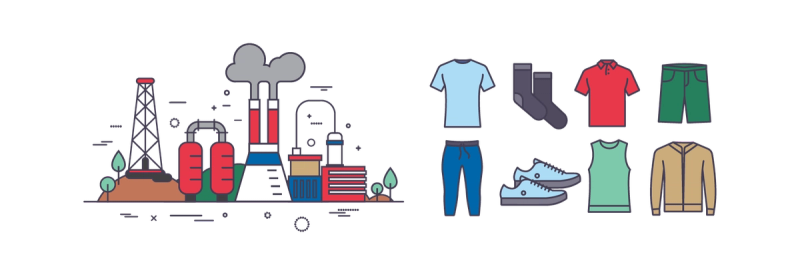
Slow fashion - how to shrink the climate footprint of your clothes
The fashion industry accounts for around 10% of the world's climate emissions - twice as much as flying. By using and mending the clothes you have, shopping circular and choosing climate-smart materials, you can shrink the climate footprint of your wardrobe.
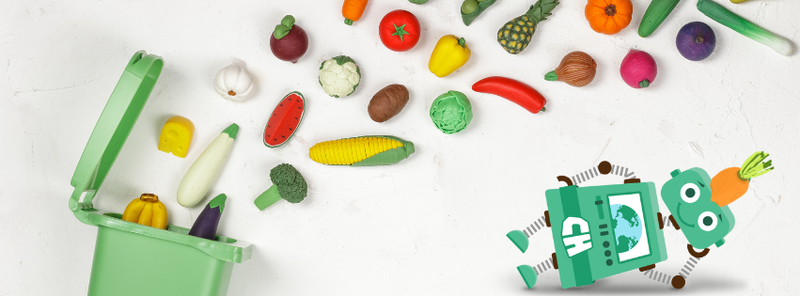
Fight food waste
Almost 40% of all the food we produce ends up as waste, and half of food waste happens at home in the kitchen. With six simple tricks - plan ahead, store food properly and make the most of leftovers - you can cut your food waste and save both money and the climate.

Shrink the climate footprint of new purchases
20-30% of our climate footprint comes from buying clothes and gadgets. With seven golden rules - buy fewer but better things, choose second-hand and repair what you already own - you can shrink the footprint of what you buy.

Do as the Danes do - bike to work!
In Copenhagen, a third of people cycle to work and school - far more than in Sweden. Cycling to work is an easy way to reduce your climate footprint, and with an e-bike or e-moped you can go further without breaking a sweat.
Start cutting back on plastic
Since plastic was introduced in the 1950s we've produced over eight billion tonnes - and only 9% has been recycled. With four simple habits you can reduce your plastic use and your climate footprint starting today.
Learn to cook vegetarian food
Eating more plant-based food is one of the easiest ways to shrink the climate footprint of your meals - by up to 80%. By trying a vegetarian meal kit you'll learn new recipes and discover just how tasty and varied green food can be.
Choose renewable electricity
Producing electricity and heat accounts for roughly 30% of the world's greenhouse gas emissions. By switching to a green electricity contract you can cut the climate footprint of your power use by more than 90% - and it doesn't have to cost more than your current contract.