
Shrink the climate footprint of new purchases
June 2026
20-30% of our climate footprint comes from buying clothes and gadgets. With seven golden rules - buy fewer but better things, choose second-hand and repair what you already own - you can shrink the footprint of what you buy.

Did you know that 20-30% of our climate footprint comes from buying clothes and gadgets? Buying fewer things is therefore smart for both your wallet and the climate. Reducing the climate footprint of your consumption is about making more sustainable choices, thinking long-term and consuming less. Here are 7 golden rules that we hope can serve as inspiration for you.
Buy fewer but better things
- Cut overconsumption: Only buy what you really need, and choose higher-quality products that last longer.
- Choose sustainable materials: Go for products made from recycled or natural materials, such as organic cotton, bamboo or recycled plastic and metal.
- Avoid "fast fashion": Quickly made, cheap clothes often have a big climate impact. Choose garments from sustainable brands or second-hand instead.
Choose second-hand and reused
- Second-hand and vintage: Buy clothes, furniture and electronics used. It extends the products' life cycle and reduces the need to produce new ones.
- Mend and repair: Instead of throwing away broken things, mend or repair them. This goes especially for clothes, furniture and electronics.
Think about the product's life cycle
- Ask about the product's durability: How is the product made? Where do the materials come from? Can it be recycled? By choosing products with a long lifespan and low environmental impact, you make an active choice for the climate.
- Recycle and reuse: Don't throw away things that can be recycled or given away. Reusing and recycling materials reduces waste and saves resources.
Reduce plastic use
- Avoid single-use products: Use reusable alternatives like water bottles, shopping bags and coffee cups instead of plastic or disposable versions.
- Choose products with minimal packaging: Many products come in unnecessary plastic packaging. Try to buy goods with minimal or biodegradable packaging.
Buy local and seasonal
- Support local businesses: Buy locally produced goods whenever possible. This cuts the emissions caused by transport and helps support local economies.
- Choose seasonal products: Buying fruit and vegetables in season means they haven't been transported long distances or grown using energy-intensive methods.
Share and rent instead of buying new
- Share and swap with others: Instead of buying something new every time you need something, consider borrowing or swapping with friends, or using sharing services.
- Rent instead of buy: For things you only use occasionally, like tools or gear for leisure activities, it can be better to rent than to buy.
Be critical of advertising and consumer culture
- Avoid impulse buys: Advertising is often designed to make you consume more than you need. Be aware of this and plan your purchases carefully.
- Set sustainable goals: Decide to cut your consumption by setting goals, for example not buying any new clothes for a certain period, or only buying second-hand for a year.
Before every purchase? Follow these steps:

Do you know your climate impact?
With the ClimateHero climate calculator, you can measure your footprint in 5 minutes!
More climate-smart tips

Let your money work for the planet
It's not just what we consume that affects the climate - our savings and investments do too. By choosing sustainable funds, avoiding fossil fuels and moving your savings to a green bank, you can let your money work for the planet.
Slow fashion - how to shrink the climate footprint of your clothes
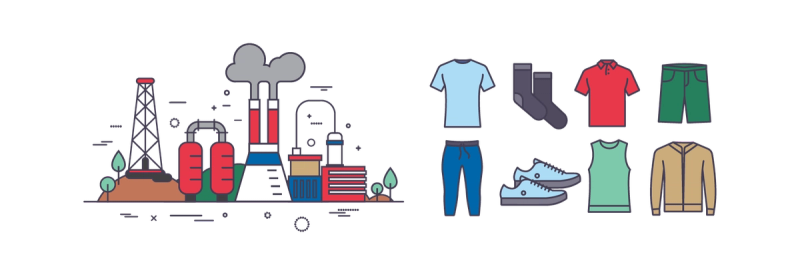
The fashion industry accounts for around 10% of the world's climate emissions - twice as much as flying. By using and mending the clothes you have, shopping circular and choosing climate-smart materials, you can shrink the climate footprint of your wardrobe.
Fight food waste
Almost 40% of all the food we produce ends up as waste, and half of food waste happens at home in the kitchen. With six simple tricks - plan ahead, store food properly and make the most of leftovers - you can cut your food waste and save both money and the climate.

Shrink the climate footprint of new purchases
20-30% of our climate footprint comes from buying clothes and gadgets. With seven golden rules - buy fewer but better things, choose second-hand and repair what you already own - you can shrink the footprint of what you buy.

Do as the Danes do - bike to work!
In Copenhagen, a third of people cycle to work and school - far more than in Sweden. Cycling to work is an easy way to reduce your climate footprint, and with an e-bike or e-moped you can go further without breaking a sweat.

Start cutting back on plastic
Since plastic was introduced in the 1950s we've produced over eight billion tonnes - and only 9% has been recycled. With four simple habits you can reduce your plastic use and your climate footprint starting today.

Learn to cook vegetarian food
Eating more plant-based food is one of the easiest ways to shrink the climate footprint of your meals - by up to 80%. By trying a vegetarian meal kit you'll learn new recipes and discover just how tasty and varied green food can be.

Choose renewable electricity
Producing electricity and heat accounts for roughly 30% of the world's greenhouse gas emissions. By switching to a green electricity contract you can cut the climate footprint of your power use by more than 90% - and it doesn't have to cost more than your current contract.