
Fight food waste
June 2026
Almost 40% of all the food we produce ends up as waste, and half of food waste happens at home in the kitchen. With six simple tricks - plan ahead, store food properly and make the most of leftovers - you can cut your food waste and save both money and the climate.
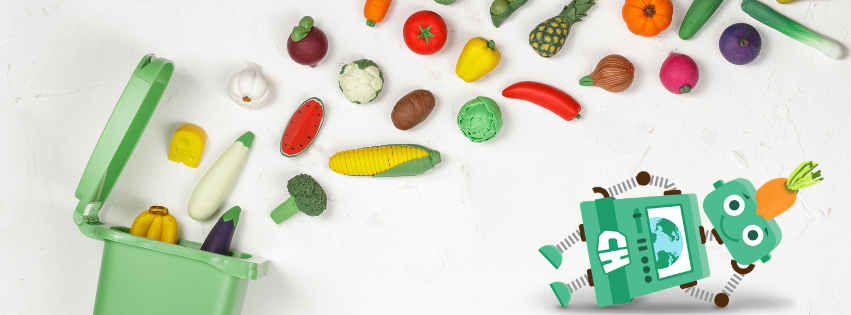
Did you know that almost 40% of all the food we produce ends up as waste? Half of food waste happens in production and distribution, and the other half at home in the kitchen.
By reducing food waste, together we can make an enormous difference for both the environment and the planet. Here are some inspiring tips and simple tricks to help you cut food waste in your everyday life!
1. Plan your meals
Planning your meals is one of the most effective ways to cut food waste. Make a weekly menu and write a shopping list based on what you really need. That way you reduce the risk of buying too much and wasting food.
2. Store food properly
Store food the right way to extend its shelf life. Keep in mind that some foods, like fruit and vegetables, can be kept at room temperature, while others, like berries and leafy greens, need refrigerating to stay fresh longer.
3. Use leftovers creatively
Don't let leftovers sit forgotten in the fridge - use them instead! Stale bread can become tasty croutons or bread pudding, and leftover vegetables can become a lovely soup or the base for a stew. Mix different leftovers and create new dishes - it's both climate-smart and economical!
4. Learn to read best-before dates
Dates like "best before" or "use by" don't mean the food is bad the moment they've passed. Trust your senses and think twice before throwing food away - products are often perfectly edible for a while after the stated date.
5. Compost food waste
What you can't eat, you can compost. Composting is an excellent way to cut the amount of waste going to landfill and create nutrients for your garden or plants at home.
6. Freeze food for later
If you have food that's starting to go off or that's left over, freeze it! Many dishes and ingredients, like stews, soups, bread or meat, freeze beautifully and keep for longer.
Psst... did you know...
Another smart thing you can do is share leftover food and household products with neighbours and charities. With the OLIO app you can quickly snap a photo and let people around you know you have food to give away. You can also see food that others want to get rid of in your local area and offer to rescue it.
A large share of food waste comes from restaurants. Here too you can make a difference! With the Karma app you can see restaurants near you that have surplus food at risk of being thrown away. You can buy the food right there in the app at 50% of the regular price. It's smart for both the climate and your wallet!
You can also rescue food at risk of becoming waste before it even reaches the shop, due to overproduction, packaging changes, seasonal variation or short dates. Via Matsmart.se you can snap up these goods at a 20-90 percent discount, while helping the environment by reducing food waste.
Do you know your climate impact?
With the ClimateHero climate calculator, you can measure your footprint in 5 minutes!
More climate-smart tips

Let your money work for the planet
It's not just what we consume that affects the climate - our savings and investments do too. By choosing sustainable funds, avoiding fossil fuels and moving your savings to a green bank, you can let your money work for the planet.
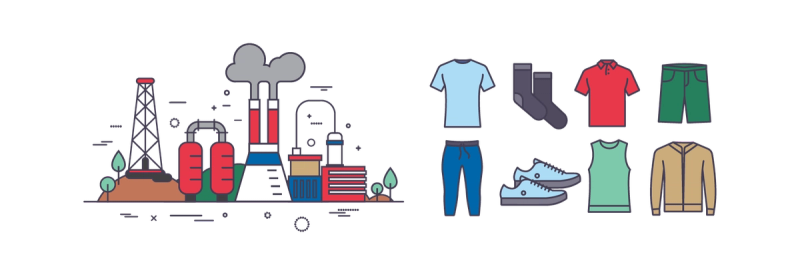
Slow fashion - how to shrink the climate footprint of your clothes
The fashion industry accounts for around 10% of the world's climate emissions - twice as much as flying. By using and mending the clothes you have, shopping circular and choosing climate-smart materials, you can shrink the climate footprint of your wardrobe.
Fight food waste
Almost 40% of all the food we produce ends up as waste, and half of food waste happens at home in the kitchen. With six simple tricks - plan ahead, store food properly and make the most of leftovers - you can cut your food waste and save both money and the climate.

Shrink the climate footprint of new purchases
20-30% of our climate footprint comes from buying clothes and gadgets. With seven golden rules - buy fewer but better things, choose second-hand and repair what you already own - you can shrink the footprint of what you buy.

Do as the Danes do - bike to work!
In Copenhagen, a third of people cycle to work and school - far more than in Sweden. Cycling to work is an easy way to reduce your climate footprint, and with an e-bike or e-moped you can go further without breaking a sweat.

Start cutting back on plastic
Since plastic was introduced in the 1950s we've produced over eight billion tonnes - and only 9% has been recycled. With four simple habits you can reduce your plastic use and your climate footprint starting today.
Learn to cook vegetarian food
Eating more plant-based food is one of the easiest ways to shrink the climate footprint of your meals - by up to 80%. By trying a vegetarian meal kit you'll learn new recipes and discover just how tasty and varied green food can be.

Choose renewable electricity
Producing electricity and heat accounts for roughly 30% of the world's greenhouse gas emissions. By switching to a green electricity contract you can cut the climate footprint of your power use by more than 90% - and it doesn't have to cost more than your current contract.